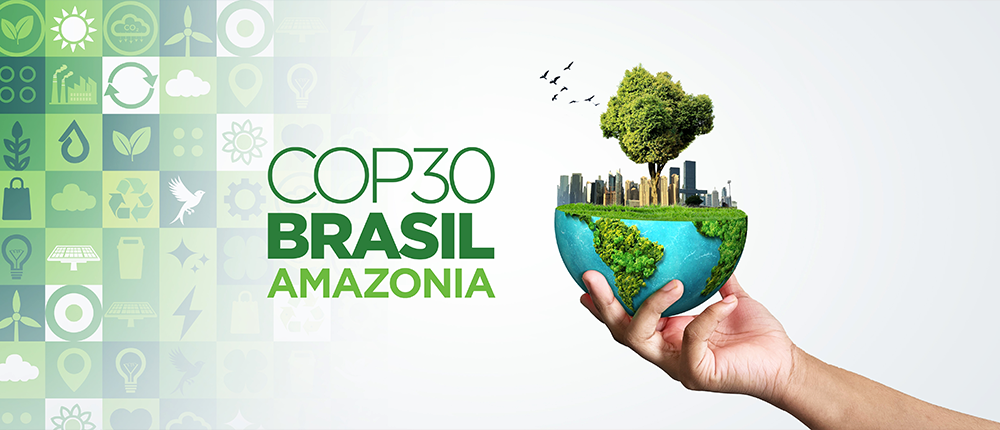
As world leaders arrive in Belém, Brazil, for COP30, the 30th United Nations Climate Change Conference, humanity stands at a defining crossroads. Three decades have passed since the first COP in Berlin, yet the climate crisis has intensified and the distance between political declarations and real action has only grown wider. The location of Belém, near the mouth of the Amazon River, carries deep symbolism. It represents both the richness of nature and the fragility of the planet’s most vital ecosystem, a reminder that the lungs of the Earth are struggling to breathe.
The urgency could not be greater. The year 2024 was the hottest ever recorded. From deadly floods in Pakistan and Libya to record wildfires in Canada and Greece, the planet’s distress signals are unmistakable. Scientists warn that we are approaching the 1.5 degree Celsius threshold agreed upon in the Paris Agreement, beyond which the consequences of climate change will become catastrophic and irreversible. Yet despite these warnings, global fossil fuel production is rising, forests continue to be cleared, and climate finance for developing nations remains largely unfulfilled.
COP30 offers both an opportunity and a test of humanity’s collective will. It will mark ten years since the Paris Agreement, which promised a turning point for the planet but instead revealed the limitations of political will and global cooperation. As world leaders gather in Belém, several critical questions must be asked.
Are we ready to move from negotiations to accountability? For decades, nations have spoken of shared responsibilities, yet emissions keep rising. Industrialized countries that built their wealth on carbon-heavy economies have not done enough to support those who now suffer the most from the resulting climate disasters. The long-promised one hundred billion dollars per year in climate finance has never been fully delivered. Can COP30 create real mechanisms to ensure that countries are held accountable for their commitments and actions?
What is the true meaning of climate justice? The Amazon region is home to more than thirty million people whose lives depend on its delicate balance. Indigenous communities have protected these lands for centuries, yet they remain excluded from major decisions about their future. If the world’s climate policies continue to overlook these voices, can they truly claim legitimacy? COP30 must give these communities more than symbolic recognition. Their wisdom and leadership must shape the core of global climate strategy.
Can we finally decouple growth from destruction? The modern economy celebrates growth and consumption as measures of success, even as the planet’s ecosystems collapse under the strain. Governments and corporations use new terms like green growth and carbon markets, but in many cases, they are only repackaging old patterns of exploitation. The real challenge is moral and philosophical. Can humanity redefine prosperity to mean harmony rather than domination?
How do we ensure that the Global South is not left behind once again? From Africa to South Asia to Latin America, developing nations contribute the least to global emissions yet suffer the most severe impacts. They need resources, technology, and fair access to financing to make a just transition to clean energy. However, the current global system often traps them in cycles of debt and dependency. COP30 must correct this imbalance and recognize that climate justice and economic justice are inseparable.
Who will hold the powerful accountable? The fossil fuel industry still wields enormous influence in shaping international policy. At COP28, fossil fuel lobbyists outnumbered the delegations of most countries. This presence undermines public trust and weakens ambition. Will COP30 set ethical boundaries that prevent corporate interference, or will it once again allow those who profit from destruction to control the narrative of solutions?
Belém stands as a powerful metaphor. It is where the forest meets the ocean, where life thrives in abundance yet faces constant threat. The decisions taken there will determine whether the world chooses regeneration or ruin. The involvement of young people, civil society, scientists, and indigenous leaders can make this conference different, but only if their contributions are treated as essential guidance rather than background noise.
Ultimately, COP30 must answer one defining question. Will it be remembered as the moment when humanity finally rose to meet the challenge, or as another gathering where words replaced action and hope was delayed? The planet is no longer waiting for promises. It is already responding to our inaction, and the choices made in Belém will echo through generations to come.
Comments
Comments settings

Like


Leave a Reply to Kuldeep Cancel reply